
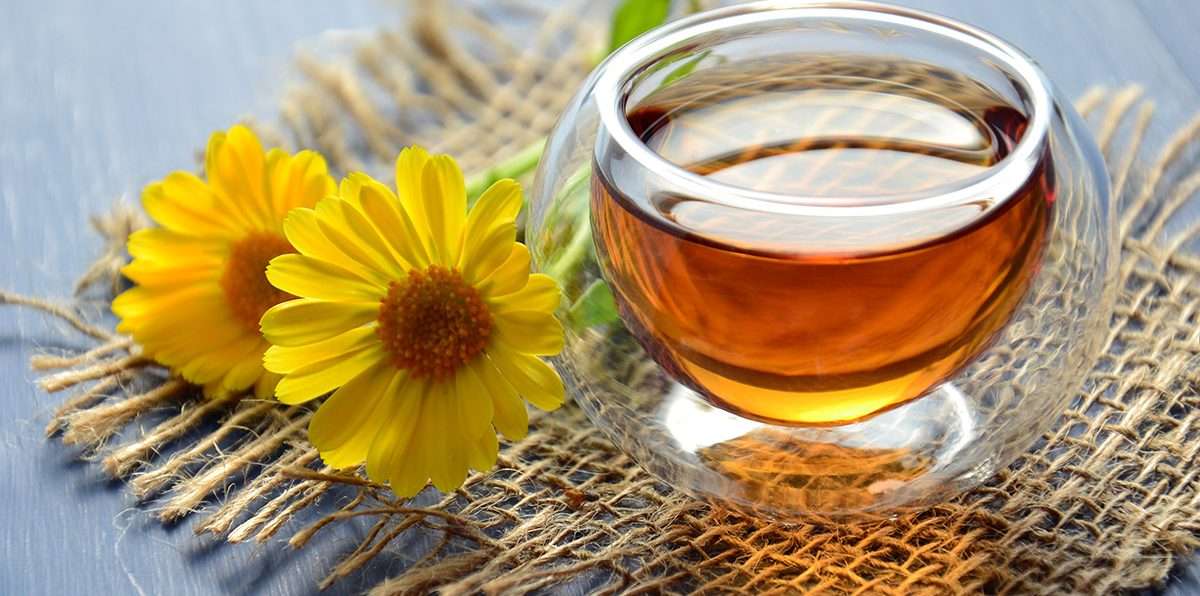
Tea is a gift of nature and a testament to human ingenuity. From the fresh aroma of Chinese green tea to the bold richness of Indian Assam black tea, from the delicate matcha of Japan to the robust Ceylon black tea of Sri Lanka, the world of tea is a tapestry of flavors, traditions, and science. This article will guide you through the global classification of fine teas and the fundamentals of tea drinking, transforming you from a casual tea drinker into a tea connoisseur.
The World of Fine Teas and the Basics of Tea Drinking: From Leaf to Cup.
I. The Global Classification of Fine Teas.
1. The Six Major Tea Categories of China
Chinese tea classification is primarily based on fermentation level, forming six foundational categories:
(1) Green Tea (Non-Fermented)
·Characteristics: Fresh leaves are processed through steaming, rolling, and drying to preserve their natural green color and freshness.
·Representative Teas: West Lake Longjing (flat and smooth), Biluochun (tightly curled), Huangshan Maofeng (plump buds).
·Flavor Profile: Fresh and crisp with notes of chestnut or bean.
·Best For: Summer consumption, though those with sensitive digestion should enjoy in moderation.
(2) White Tea (Minimally Fermented)
·Characteristics: Young buds or leaves are simply withered and dried, preserving their original flavor.
·Representative Teas: Baihao Yinzhen (covered in silvery down), Bai Mudan (one bud and one leaf).
·Flavor Profile: Delicate and smooth with a pale yellow infusion and lingering sweetness.
·Health Benefits: Strong antioxidant properties, ideal for long-term consumption.
(3) Yellow Tea (Lightly Fermented)
·Characteristics: A unique “yellowing” process during oxidation creates a mellow flavor.
·Representative Teas: Junshan Yinzhen (golden-tipped), Huoshan Huangya (fragrant).
·Flavor Profile: Smooth and sweet with hints of ripe fruit.
(4) Oolong Tea (Semi-Fermented)
·Characteristics: Partial oxidation allows for complex aromas and flavors.
·Representative Teas: Tieguanyin (orchid fragrance), Wuyi Rock Tea (roasted floral notes), Dongding Oolong (toasted aroma).
·Flavor Profile: Layered with floral, fruity, and roasted notes, highly re-steepable.
(5) Black Tea (Fully Fermented)
·Characteristics: Complete oxidation produces a deep red infusion and bold flavor.
·Representative Teas: Qimen Black (Qimen aroma), Zhengshan Xiaozhong (smoky pine scent), Dianhong (honey sweetness).
·Flavor Profile: Rich and sweet, often enjoyed with milk or sugar.
(6) Dark Tea (Post-Fermented)
·Characteristics: Microbial fermentation or aging develops a distinctive aged character.
·Representative Teas: Pu’erh (aged depth), Anhua Dark Tea (smooth), Liubao (bitter almond scent).
·Flavor Profile: Full-bodied and silky, improving with age.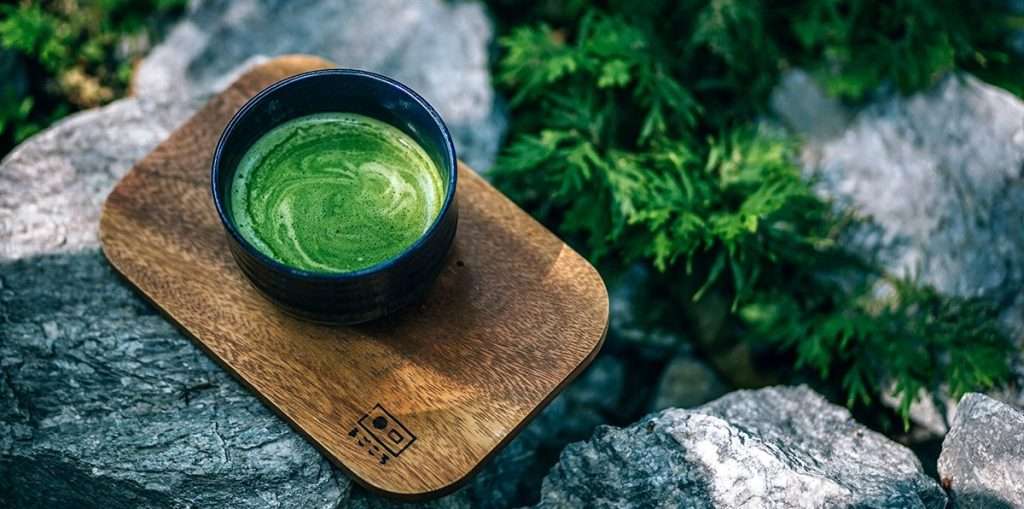
2. International Specialty Teas
Beyond China, diverse climates and techniques have shaped unique global teas:
·Japanese Matcha: Stone-ground powdered tea used in the tea ceremony.
·Indian Darjeeling Black Tea: Known as the “Champagne of Teas” for its muscatel flavor.
·Ceylon Black Tea: Bright red infusion with floral and fruity notes.
·Kenyan Red Robust Tea: Granular cut black tea, strong and ideal for milk-based drinks.
II. The Basics of Tea Preparation
1. Choosing the Right Equipment
Different teas require specific tools:
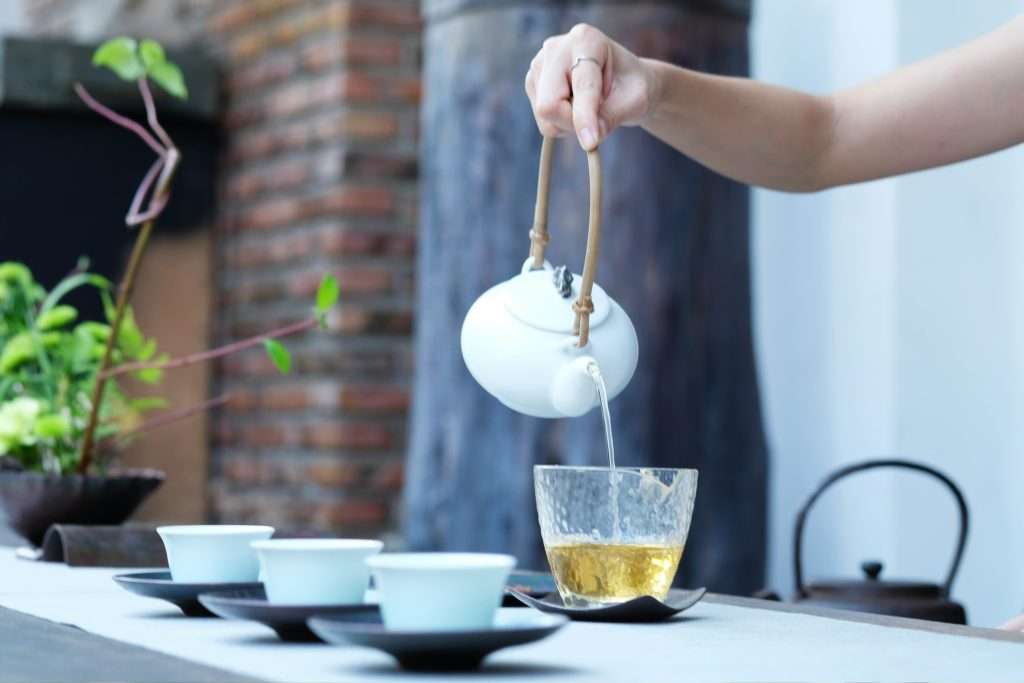
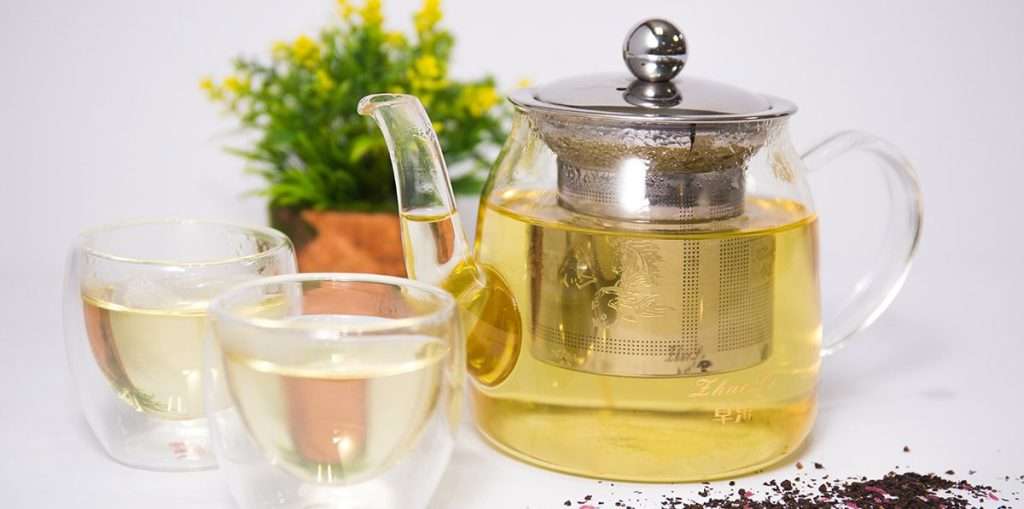
·Green/White Teas: Glass cups or gaiwans to observe leaf unfurling.
·Oolong Teas: Yixing clay teapots or gaiwans to enhance aroma.
·Black/Dark Teas: Yixing teapots or gourds for high-temperature brewing and prolonged steeping.
2. Water Temperature and Steeping Time
Precision is key to unlocking tea’s full potential:
Tea Type Recommended Water Temperature Initial Steeping Time
·Green Tea 70–80°C 1–2 minutes
·White Tea 80–90°C 2–3 minutes
·Oolong Tea 90–100°C 15 seconds (increasing per steep)
·Black/Dark Tea 90–100°C 3–5 minutes
3. Brewing Techniques
·High Pour for Oolong: Enhances aroma by agitating the leaves.
·Central Pour for Dark Tea: Quickens leaf expansion.
·Low Pour for Green/White Tea: Prevents bitterness by avoiding high heat.
4. Tea Storage
·General Rule: Keep in a dry, dark, airtight container away from odors.
·Green/Yellow Teas: Refrigerate to prevent oxidation.
·White/Dark Teas: Store at room temperature; some improve with aging.
III. The Health Benefits of Tea
Tea is not just a drink but a natural elixir:
·Antioxidants: Catechins combat free radicals, slowing aging.
·Mental Alertness: Caffeine and L-theanine work together to enhance focus.
·Digestive Aid: Black and dark teas help break down fats and soothe heaviness.
·Immune Support: Moderate consumption boosts disease resistance.
IV. Conclusion
From a single leaf to a steaming cup, tea embodies nature’s gifts and human craftsmanship. Whether it’s the nuanced classifications of Chinese teas or the bold flavors of international varieties, each brew tells a story of its origin and culture. Mastering the art of preparation and storage not only elevates your tea experience but also allows you to savor tea as a companion to health and well-being.
Next time you brew a cup, experiment with different techniques and tools—because drinking tea is more than quenching thirst; it’s a conversation with nature and culture itself.
The World of Fine Teas and the Basics of Tea Drinking: From Leaf to Cup.世界茗茶分类及茶饮基础:从一叶到一杯的探索。
世界茗茶分类及茶饮基础:从一叶到一杯的探索。
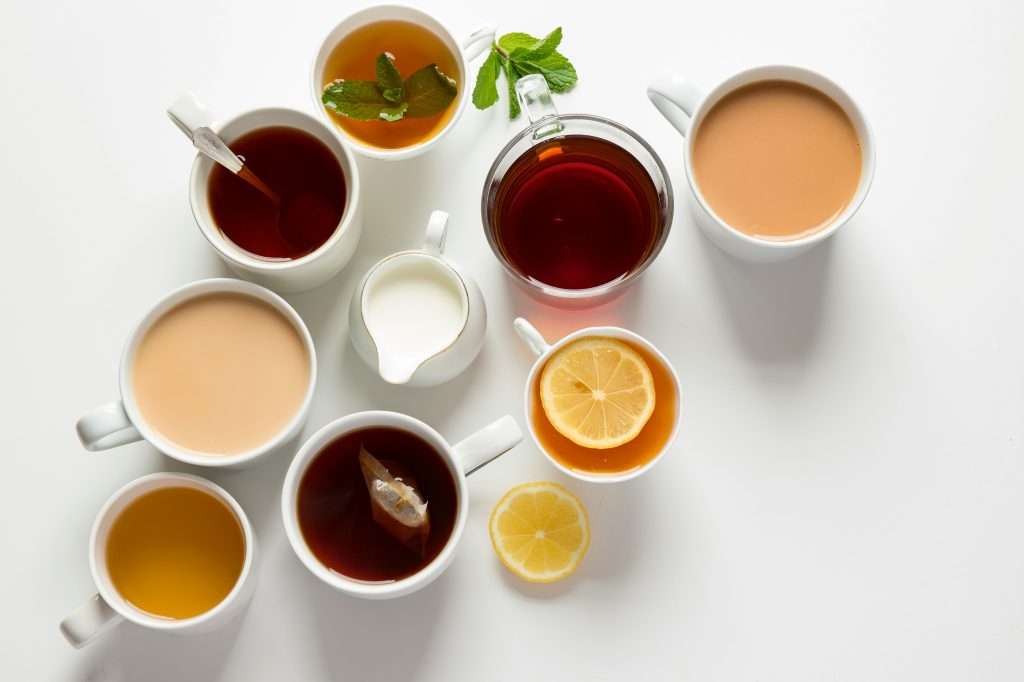
茶,是自然的馈赠,更是人类智慧的结晶。从中国江南的绿茶清香到印度大吉岭的红茶醇厚,从日本的抹茶细腻到斯里兰卡的锡兰红茶浓烈,茶的世界丰富多彩,蕴含着深厚的文化底蕴与科学价值。本文将带您走进世界茗茶的分类体系,并解析茶饮的基础知识,助您从“喝茶”升级为“懂茶”。
一、世界茗茶的分类体系
1. 中国六大茶类
中国的茶叶分类以发酵程度为核心标准,形成了六大基本茶类:
(1)绿茶(不发酵)
特点:鲜叶经过杀青、揉捻、干燥等工艺,保留了天然的绿色与清香。
代表茶:西湖龙井(扁平光滑)、碧螺春(卷曲如螺)、黄山毛峰(芽叶肥壮)。
口感:清鲜爽口,带有豆香或板栗香。
适用人群:适合夏季饮用,但脾胃虚寒者需适量。
(2)白茶(微发酵)
特点:采摘嫩芽或嫩叶,仅经萎凋和干燥,工艺简单,保留原始风味。
代表茶:白毫银针(白毫满披)、白牡丹(一芽一叶)。
口感:清雅柔和,汤色浅黄,回甘持久。
健康价值:抗氧化能力强,适合长期饮用。
(3)黄茶(轻发酵)
特点:在绿茶基础上增加“闷黄”工艺,使茶叶泛黄,滋味醇厚。
代表茶:君山银针(金黄显毫)、霍山黄芽(香气清高)。
口感:柔和甘甜,带有熟果香。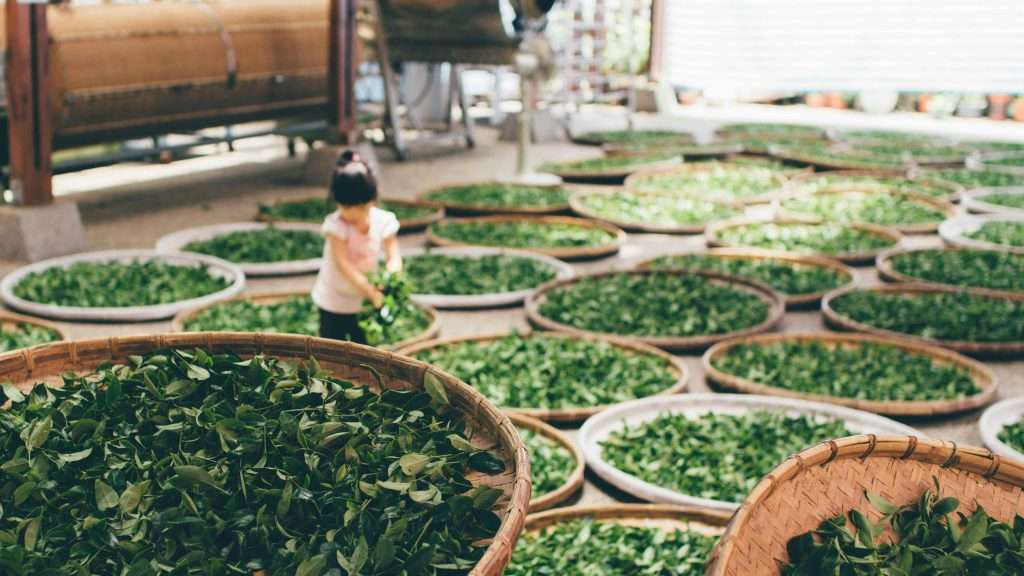
(4)乌龙茶(半发酵)
特点:介于绿茶与红茶之间,发酵程度灵活,香气层次丰富。
代表茶:铁观音(兰花香)、武夷岩茶(岩骨花香)、冻顶乌龙(焙火香)。
口感:花香、果香、焙火香交织,耐泡度高。
(5)红茶(全发酵)
特点:通过完全发酵形成红汤红叶,滋味浓郁。
代表茶:祁门红茶(祁门香)、正山小种(松烟香)、滇红(蜜香)。
口感:醇厚甘甜,适合加奶、加糖调饮。
(6)黑茶(后发酵)
特点:经微生物发酵或自然陈化,形成独特的陈香。
代表茶:普洱熟茶(陈香)、安化黑茶(醇厚)、六堡茶(槟榔香)。
口感:厚重顺滑,越陈越香。
2. 国际特色茗茶
除中国外,全球各国因气候与工艺差异,也孕育出独特的茶类:
日本抹茶:由碾茶研磨而成,色泽翠绿,用于茶道仪式。
印度大吉岭红茶:被誉为“红茶中的香槟”,具有麝香葡萄风味。
斯里兰卡锡兰红茶:汤色红艳明亮,带有花香与果香。
肯尼亚红茶:颗粒状红碎茶,滋味浓强,适合制作奶茶。
二、茶饮的基础知识
1. 冲泡器具的选择
不同茶类对器具的要求不同:
绿茶/白茶:玻璃杯或盖碗,便于观察汤色与茶舞。
乌龙茶:紫砂壶或盖碗,能吸附茶香,提升口感。
红茶/黑茶:紫砂壶或煮茶器,适合高温冲泡与久煮。
2. 水温与冲泡时间
精准的水温与时间是泡好茶的关键:
茶类 建议水温 初泡时间
·绿茶 70–80°C 1–2分钟
·白茶 80–90°C 2–3分钟
·乌龙茶 90–100°C 15秒起递增
·红茶/黑茶 90–100°C 3–5分钟
3. 冲泡手法与技巧
·延边定点高冲:适合乌龙茶,激发香气。
·中心压块注水:适合黑茶,快速舒展叶片。
·低冲慢注:适合绿茶/白毫银针,避免苦涩。
4. 茶叶的储存
·基本原则:干燥、避光、密封、无异味。
·绿茶/黄茶:冷藏保存,避免氧化。
·白茶/黑茶:常温密封,可长期陈化。
三、茶的健康价值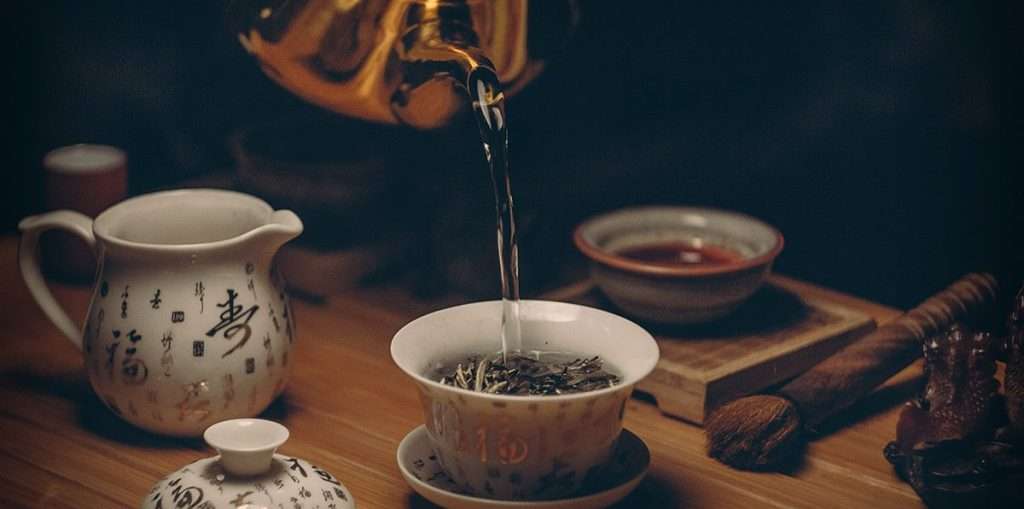
茶叶不仅是饮品,更是健康的“天然药方”:
·抗氧化:茶多酚可清除自由基,延缓衰老。
·提神醒脑:咖啡碱与茶氨酸协同作用,增强专注力。
·促进消化:红茶与黑茶助于分解脂肪,缓解油腻。
·调节免疫:适量饮茶可增强人体抗病能力。
四、结语
从一片茶叶到一杯茶汤,茶的世界蕴含着自然的智慧与人类的匠心。无论是中国六大茶类的细腻分类,还是国际茗茶的独特风味,每一款茶都承载着地域与文化的印记。掌握科学的冲泡方法与储存技巧,不仅能提升品茶体验,更能让茶成为生活中的健康伴侣。




0 Comments
This is exactly what i was looking for, thank you so much for these tutorials
It would be great to try this theme for my businesses
What a nice article. It keeps me reading more and more!